Stay in the loop
Table of Contents
- 1 Why Inventory Matters at Events
- 2 1. Set Up a Pre-Event Inventory Plan
- 3 2. Organize Your Inventory by Category and Tare Weights
- 4 3. Streamline Your Inventory Tracking at the Event
- 5 4. Focus on Portion Control and Waste Management
- 6 5. Build a Post-Event Debrief Process
- 7 6. Leverage Technology to Scale Profitably
- 8 7. Common Inventory Mistakes at Events (and How to Avoid Them)
- 9 8. Best Practices Checklist for Event Inventory Success
- 10
- 11 Ready to Make Every Pop-Up More Profitable?
Whether you’re operating a gourmet burger stand at a local food truck rally or launching a high-end cocktail booth at a weekend music festival, pop-up events and food festivals are exciting but logistically complex ventures. Managing inventory in these high-paced, short-duration environments can make or break your profitability.
In this guide, we’ll explore best practices for event inventory management, particularly for food and beverage vendors, and demonstrate how tools like RapidStock’s restaurant food costing apps and liquor bottle tare weight calculators can help you gain clarity, reduce losses, and boost your bottom line.
Why Inventory Matters at Events
Pop-ups and festivals are a different beast compared to traditional restaurant or bar operations. You have:
- Limited storage space
- High volume in short timeframes
- Unpredictable foot traffic
- Strict opening/closing windows
- No time to reorder or resupply
Every overstocked item eats into your profit. Every understocked item is a missed sale. Event inventory management must be dialed-in, efficient, and proactive.
1. Set Up a Pre-Event Inventory Plan
Start with a strong plan built around three pillars:
A. Forecast Demand (Realistically)
Use historical sales data from similar events (if available), or talk to other vendors and event organizers. Consider:
- Expected attendance
- Weather forecast
- Day of the week
- Competing vendors and menu overlap
Having a reliable restaurant food cost app, such as RapidStock, allows you to input estimated portions per dish, ingredient usage per serving, and forecast the total quantity needed.
B. Calculate Sample Costing for Food
If you’re wondering how restaurants calculate food cost for event menus, here’s a simple breakdown:
(Food Cost per Dish) = (Total Ingredient Cost) / (Expected Servings)
RapidStock’s tools let you break this down ingredient by ingredient, accounting for:
- Yield percentage (post-trimming/cooking loss)
- Portion sizes
- Real-time price updates
This granular visibility enables you to price each item with your desired margin built in, a must for short-run event profitability.
2. Organize Your Inventory by Category and Tare Weights
For food festivals and pop-ups, organization is a matter of survival.
A. Separate Inventory by Category
- Perishables (with FIFO rotation)
- Dry goods & shelf-stable items
- Liquor & beverages
- Paper goods & disposables
- Cleaning supplies
Keeping these categories separate not only prevents cross-contamination but also allows for faster service and more leisurely restocking during the event.
B. Use Tare Weights for Liquor Bottles
Tracking how much alcohol is left in a bottle during a pop-up is tricky, especially in outdoor settings. That’s where liquor bottle tare weights come in. These are the weights of empty bottles without any liquid. With a digital scale, you can subtract the tare weight from the current weight to calculate precisely how much liquor remains.
RapidStock includes a built-in liquor inventory module with default tare weights for standard bottles, helping you:
- Prevent overpouring
- Stop shrinkage (aka theft)
- Know precisely when to cut off certain cocktails nearing sell-out.
3. Streamline Your Inventory Tracking at the Event
Here’s where real-time tools are essential.
A. Use a Food Costing App On-Site
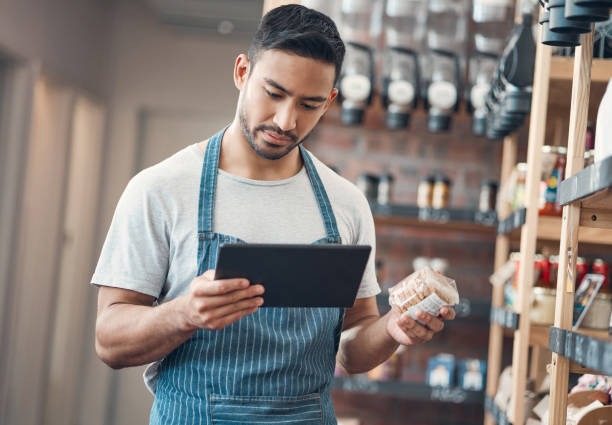
With mobile-friendly features, a good restaurant food costing app lets you:
- Update inventory counts during the day
- Mark when items are 50%, 25%, or 0% remaining
- Track losses from spills, spoilage, or misfires
RapidStock enables this live updating while syncing with your prep list, so staff can be notified before ingredients run out, all without leaving the POS station.
B. Assign Roles
Designate team members for:
- Opening/closing inventory checks
- On-the-fly counts during rush hours
- Spot-checking high-risk items (like liquor)
Even if you’re running lean with just 2–3 staff members, assigning responsibilities helps prevent accountability gaps.
4. Focus on Portion Control and Waste Management
Margins at pop-up events are tight. Portioning and waste tracking are two of the biggest levers you can pull to increase profits.
A. Use Portion Scoopers and Jiggers
These tools ensure consistent serving sizes, which are crucial when hundreds of customers are moving through your booth at once.
- For food: ladles, pre-weighed portions, scoops
- For drinks: jiggers, pour spouts, and shot measurers
Pairing this with liquor bottle tare weights tracking ensures bartenders stick to the recipe.
B. Record Waste Immediately
RapidStock’s app allows for real-time waste logging, from a broken eggshell to a spilled syrup bottle or a burnt burger. Capturing this data helps:
- Identify training issues
- Improve future prep estimates
- Reduce avoidable loss
5. Build a Post-Event Debrief Process
What separates growing businesses from stagnant ones is the ability to learn. After the event, analyze:
A. What You Sold vs. What You Brought
This helps identify:
- Over-purchased items (e.g., lettuce for 300 sandwiches when you only sold 100)
- Popular items that need more stock next time
- Ingredients that can be repurposed or frozen for future events
RapidStock generates detailed variance reports, showing exactly where inventory shrinkage happened, whether it’s due to overuse, spoilage, or unrecorded sales.
B. Refine Your Costing Models
Compare actual costs with your pre-event estimates. Use this data to:
- Adjust recipes
- Improve portion control
- Set more accurate price points
Over time, you’ll create a database of accurate, real-world costings for different events, seasons, and audience sizes.
6. Leverage Technology to Scale Profitably
Managing event inventory manually is not sustainable if you plan to scale. Instead, implement software designed for high-turnover food and beverage operations.
Benefits of RapidStock’s Inventory Tools for Pop-Up Vendors:
- Fast setup with simple UI
- Mobile access for on-the-go tracking
- Pre-loaded food costing templates
- Liquor inventory modules with tare weight calculators
- Real-time dashboards for sales, waste, and stock levels
- Cost control alerts when you exceed pre-set thresholds
Whether you run one stand or manage multiple festival locations across cities, RapidStock helps keep your data clean and your margins healthy.
7. Common Inventory Mistakes at Events (and How to Avoid Them)
| Mistake | Consequence | Solution |
| Over-ordering perishables | Wasted product and lost profit | Use demand forecasting tools |
| No waste tracking | Can’t identify preventable losses | Log waste live with RapidStock |
| Free-pouring liquor | Shrinkage & inconsistent drinks | Track liquor with tare weights |
| No post-event review | Repeat the same costly errors | Schedule a 30-minute team debrief |
| Relying on paper checklists | Inaccurate counts, loss of data | Switch to digital inventory apps |
8. Best Practices Checklist for Event Inventory Success
- Forecast demand using past data and weather
- Cost out each menu item accurately
- Portion everything with scoops and jiggers
- Separate inventory by category
- Track liquor with tare weight calculators
- Log waste and spoilage in real-time
- Assign roles for inventory accountability
- Use mobile inventory software
- Run a post-event review
- Adjust prep and purchasing for next time

Ready to Make Every Pop-Up More Profitable?
Running a successful food festival booth or pop-up event requires more than a great recipe; it necessitates precise inventory management and the right tools to support fast-paced operations.
With RapidStock’s inventory software for restaurants, bars, and event vendors, you can streamline your food costing, monitor your stock in real-time, and finally say goodbye to mystery losses and margin bleed. Talk to an expert to learn how RapidStock can support your next event.
About the author
Fabrice Tremblay
Fabrice founded RapidStock in 2017 after working as a production planner for almost two decades. Briefly a bar owner and tech lover, he was inspired by the challenge of helping passionate entrepreneurs in the bars and restaurants industry.
When not working on RapidStock, Fabrice enjoys cooking and spending time outdoors with friends and family.
More tips and tricks